How valuation is lost in diligence
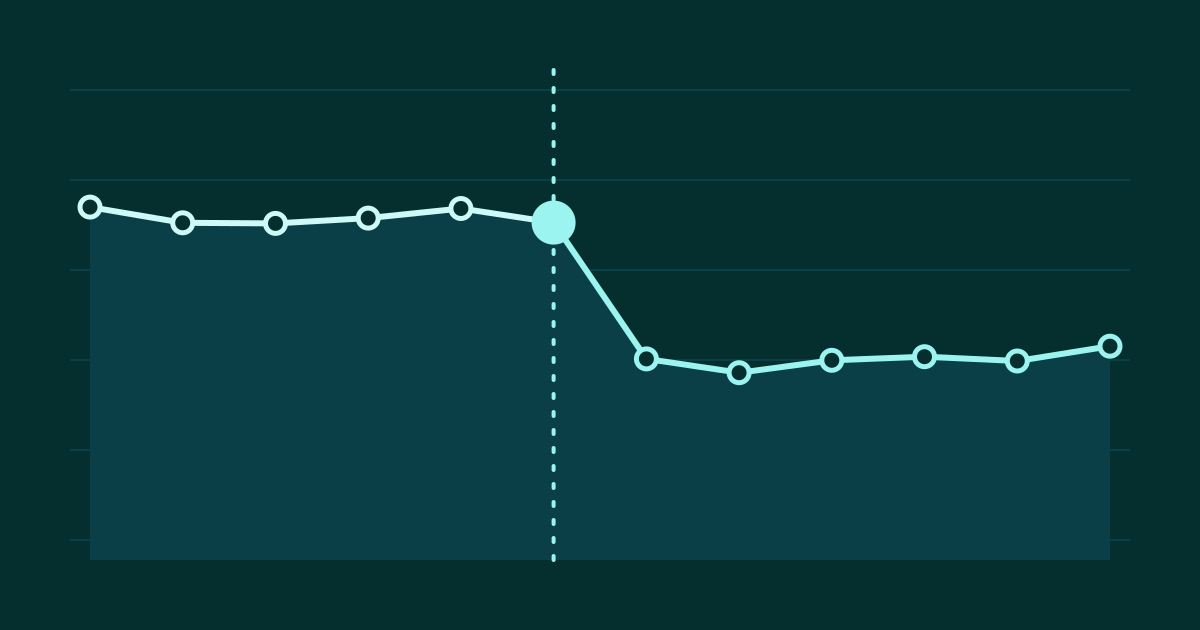
A buyer prices what it knows at cost and what it does not know at a premium. A confirmed problem with a clear fix becomes a line in the model. An unresolved question becomes a holdback sized for the worst case, a condition that delays closing, or a quiet reduction in enthusiasm.
Time works the same way: each added week is one in which the buyer can reconsider. The mechanics are set out in how technical findings change the price.
Most of the mistakes below have nothing to do with code quality. They turn something knowable into an unknown.
Mistakes in how you answer
1. Vague answers. "We take security seriously." "The IP is all ours." "It scales." A reviewer cannot verify sentences like these, so each stays open, and the investment committee reads open items as risk. The alternative is specific: "The last external penetration test was in March. The report is in the data room. Both high-severity findings are closed, and the evidence is attached."
2. Late disclosure. A known problem that the reviewer uncovers in the third week costs you twice: once for the problem, and once for the doubt it casts on everything else you have said.
The public record has a large example. Verizon agreed in July 2016 to buy Yahoo's operating business for about US$4.83 billion. Yahoo then disclosed two earlier data breaches, in September and December of that year. In February 2017 the parties reduced the price by US$350 million and divided certain liabilities between them. In April 2018 the SEC announced a US$35 million penalty against the company formerly known as Yahoo for failing to disclose the 2014 breach to investors.
3. Slow access. Repository access takes two weeks to arrange. Contracts arrive one at a time. The buyer reads slowness as disorganization or reluctance, and either conclusion finds its way into the terms. Access is one of the few parts of a transaction you can decide entirely in advance.
Mistakes in the paperwork
4. Undocumented ownership. "Everyone signed the standard contract" holds until the commit history shows someone who did not: a contractor from the first year, a co-founder who left, an agency's subcontractor. The buyer then needs a signature from a person who knows a transaction is waiting for it. The outcome is a condition to closing, a holdback, or a payment to that person out of your proceeds.
5. No license inventory. Asked which open-source components are in the product and on what terms, the founder says the team would have to check. The buyer's scan answers instead. You then learn about an AGPL dependency in the billing service at the same moment the buyer does, with no explanation prepared.
Both of these are cheap to prevent. Assignments are easy to collect when no deal is pending, and an inventory is the byproduct of generating a software bill of materials (SBOM). Ownership and licensing are legal matters. This is general information, not legal advice. Rules differ by jurisdiction and counsel should be consulted.
Mistakes of dependence and claim
6. Relying on one person. One engineer holds the deployment process, the billing engine or the largest customer's integration in their head. The buyer asks what happens if that person leaves after closing, when they may have both the means and the motive. The answer appears in the terms as a retention package, an earn-out tied to an individual, or a discount.
Often the one person is the founder. That is harder to see from the inside and easier to fix than it looks: written procedures, a second engineer on each critical module, and several months for the commit history to show it. See key-person risk in software companies.
7. Overclaiming AI. The deck says proprietary AI. The code shows calls to a third-party model with a prompt, or a workflow in which people do the work. Building on someone else's model is a legitimate choice. Describing it as something else is the mistake, because the multiple was argued on the description.
Builder.ai is the cautionary case. The London-based company marketed AI-assisted app building and was reported to have been valued at over US$1 billion. Press reports in 2019 alleged that work presented as done by AI was largely done by human engineers, and the company entered insolvency proceedings in May 2025 amid reports that revenue had been overstated. How buyers test such claims is covered in AI-washing.
What the seven have in common
Each mistake leads the buyer to a conclusion that is worse than the facts, and each has a plain countermeasure.
| Mistake | What the buyer concludes | What to have ready |
|---|---|---|
| Vague answers | They do not know, or will not say | A document, a date and a name for each claim |
| Late disclosure | There may be more | A disclosure note before the review opens |
| Slow access | Disorganized or reluctant | A data room connected in advance |
| Undocumented ownership | Title is uncertain | An assignment for every contributor in the history |
| No license inventory | Nobody has looked | A current SBOM with licenses |
| Relying on one person | The asset can walk out | Runbooks and a second engineer per critical module |
| Overclaiming AI | The pitch cannot be trusted | A description that matches the code |
The pattern is consistent: know your position, document it, and say it first.
How we approach it
Codekeeper Transaction Services produces one neutral report that both sides read in the same words. Several of its features address these mistakes directly, as described on the founders page.
Guided onboarding typically has the data room ready to scan in under a day, and a readiness score shows what is missing, so access is not what slows the deal. Our technical due diligence includes IP chain-of-title analysis, which compares the assigning clauses in your agreements with the contributors in the code history and lists the gaps. It also includes license compliance with a full SBOM, bus factor and knowledge concentration from the code history, and an estimate of the share of the codebase generated by AI. This is analysis, not legal advice.
You respond beside each finding, on the record. For companies not yet in a transaction, a deal-readiness arrangement provides a standing data room, a quarterly self-scan and a readiness score.
Questions we are asked
Which of the seven is the most expensive?
Late disclosure, as a matter of logic. The other six each affect one subject. A problem the buyer discovers that you already knew about changes how every other answer is read.
We have already made some of these mistakes. Is it too late?
Not until signing. Correct a vague answer with a specific one, disclose now what you had hoped would not come up, and close the paperwork gaps you can. A correction volunteered in the second week is received far better than a discovery in the fourth.
Does a strong business make up for a weak diligence process?
Partly. Growth gives a buyer reason to accept more risk, and a sought-after company has more room to negotiate. The findings are still priced, through holdbacks and warranties if not through the headline number, and a slow process puts the timetable at risk whatever the growth rate.
This article is general information for people working on software transactions. It is not legal, financial or insurance advice.