Why technology is read last
The exclusivity period is set by negotiation and is commonly a matter of weeks. Financial and legal diligence usually begin at once, because the documents they need are already in the data room. Technology waits.
It waits for three reasons. Sellers are reluctant to show source code and often hold it back until the buyer has proved it is serious. The technology reviewer is frequently appointed after the other advisors. And the people who must grant access, the chief technology officer and a few senior engineers, are the same people running the product and attending management meetings.
The effect is that the technology report arrives when the share purchase agreement (SPA) is in a late draft. A finding raised then looks like an attempt to reopen the price, and the buyer has to choose between absorbing the problem and straining the relationship.
What to settle before exclusivity begins
Most of the delay can be removed before the clock starts.
- Put access in the letter of intent. Name what will be provided: the repositories, read-only access to infrastructure, and the agreements with employees and contractors. Add a date.
- Appoint the reviewer and agree the scope in advance. The scope should follow the transaction, as explained in scoping technical due diligence by deal structure.
- Deal with the seller's confidentiality concerns early. Most objections to sharing code are about who will see it and where it will be analyzed. They have practical answers, covered in is it safe to share source code in due diligence.
- Tell the seller what to prepare. A seller who knows on day one which systems to connect and which contracts to find saves days.
A letter of intent is a legal document, and which of its terms bind the parties varies by jurisdiction. This is general information and not legal advice, and counsel should draft the access terms.
A sequence that fits the window
The critical path is access, not analysis. Once code and contracts are available, automated analysis takes days. The table shows a sequence that works whatever the length of the window.
| Phase | What happens | What it produces |
|---|---|---|
| Before exclusivity | Scope agreed, access terms in the letter of intent, seller briefed | A seller ready to connect systems on day one |
| First days | Repositories, infrastructure and contracts made available, gaps listed | A known state of coverage |
| First half | Automated scanning, first written questions to the seller | A preliminary verdict and a list of possible blockers |
| Second half | Findings verified, seller responses recorded, interviews where needed, remediation costed | The final report with proposed remedies |
| Before signing | Open items closed or turned into terms | Conditions, warranties and price terms in the SPA |
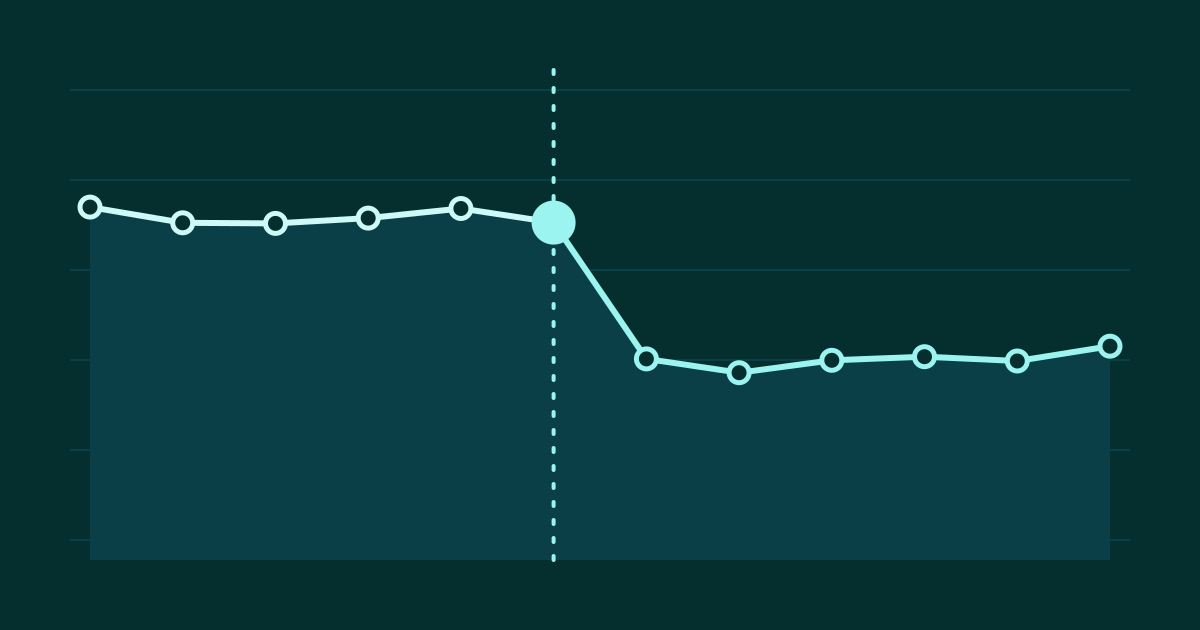
The preliminary verdict at the midpoint is the step that matters most. It lets the deal team raise a serious issue while the SPA is still being drafted.
Questions and answers without the drift
Question lists are where time is lost. A generic questionnaire of two hundred items, sent before anyone has read the code, takes the seller's engineers days to answer and tells the buyer little that the code would not have shown.
A better order is to read first and ask second. The code, the commit history and the contracts answer most factual questions directly: which libraries are used, who wrote what, whether assignment agreements exist. Questions to the seller can then be few and specific, each tied to a finding. "The history shows three contributors with no agreement on file. Please provide the agreements or explain" can be answered in a day.
Keep the exchange in writing and in one place. Answers given on a call are forgotten or remembered differently, and they cannot be shown to a lender or an insurer later. Interviews remain useful for questions of judgment about the roadmap, the team and past decisions, and they work best after the reviewer has read the code.
When a finding arrives late
Sometimes a material finding appears in the last days despite the planning. The options narrow but do not disappear.
A fixable issue can become a condition of closing: the missing assignments are signed, the exposed credentials are replaced. A quantified issue can be met with a price adjustment or a holdback. An uncertain one can be covered by a specific warranty or indemnity. How findings translate into terms is covered in how technical findings change the price.
What makes a late finding manageable is evidence. A seller under time pressure accepts a term more readily when shown the file, the commit or the missing contract than when shown an advisor's opinion.
If access is partial
Some sellers will not give a buyer direct access to source code before signing, particularly when the buyer is a competitor. That need not end the review. A neutral reviewer can analyze the code and report the findings without the buyer's team seeing the source.
Where access stays incomplete, the report should say exactly what was and was not examined. The investment committee can then weigh an unexamined area as an open risk and ask for protection in the terms, instead of assuming it is clean.
How we approach it
Our delivery times are targets counted from the moment the data room is ready to scan, not from instruction, so we concentrate first on readiness. The seller connects repositories, infrastructure and contracts to a data room that stays synchronized with their systems. Guided onboarding typically has the room ready to scan in under a day, and a readiness score shows both sides what is missing.
From that point the Automated Scan Report is targeted within 72 hours and the Analyst-Verified Report, our standard engagement, at about a week. The seller responds beside each finding, on the record. A delta scan runs on every change, and the report can be regenerated until closing.
If the seller only uploads files, we scan what is there and the report states its coverage. All analysis runs in Codekeeper's private environment, with access that is read-only and scoped by role. The steps are set out on how it works, and arrangements for funds on our page for funds.
Questions we are asked
How much of the exclusivity period does the review need?
Less than most timetables assume, provided access is ready. Our targets are 72 hours for the Automated Scan Report and about a week for the Analyst-Verified Report, both counted from the moment the data room is ready to scan.
Can the review start before exclusivity is signed?
Yes, if the seller agrees. A seller can prepare a data room ahead of a sale process, and we offer founders a deal-readiness arrangement with a standing data room, a quarterly self-scan and a readiness score.
What happens to findings made between signing and closing?
The data room stays synchronized with the seller's systems, so changes after signing are scanned as they occur. On closing day a final full scan runs and both sides sign off.
This article is general information for people working on software transactions. It is not legal, financial or insurance advice.